The Best LED Face Masks (2026): FDA-Cleared Options Compared
LED masks are the best-researched at-home anti-aging devices, and several hold FDA 510(k) clearance. We compared the leading masks on published wavelengths, coverage, regulatory records, evidence and price, and checked every K-number ourselves.
Our publisher, Dalmie LLC, sells Quadthera. We don't earn commissions from other links in this article. Disclosure.
Quick picks
- Best overall$469.99 at CurrentBody
Red, near-infrared and deep near-infrared (633/830/1072 nm) in a mid-priced mask with a 510(k) we could verify by name (K250966).
- Best value$349.99 at Shark
FDA-cleared (K242796), red, blue and infrared light, plus built-in under-eye cooling and a 2-year warranty, for less than most rivals.
- Best flexible mask from a clinical LED brand$395 at Omnilux
A simple, flexible 633 + 830 nm mask from a brand that has made clinic LED systems for two decades. Omnilux publishes its output (~30 mW/cm²).
- Most customizable$569.99 at CurrentBody
Six wavelengths, 750 LEDs and app-controlled presets for aging, blemishes and redness. More options than most people need.
- Best 3-minute anti-aging mask$399 sale ($499 compare-at) at Solawave
Four red/amber/near-infrared wavelengths in 3-minute sessions, with a 510(k) under the product name (K252983).
- Best for acne plus aging$455 at Dr. Dennis Gross
Red, blue or combined modes in 3 minutes. A long-running favorite for people who want blemish and anti-aging light in one mask.
- Best with built-in massage$559.99 sale ($649.99 regular) at Therabody
648 LEDs (633/830/415 nm) plus vibration around the eyes and head. FDA-cleared (K230293). Pricey, but it does more than light.
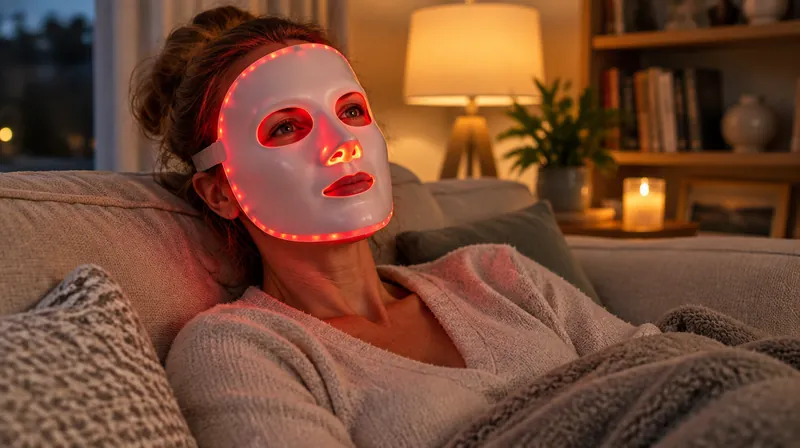
An LED mask shines specific wavelengths of light onto your face for a few minutes at a time. Red and near-infrared light are used for fine lines, firmness and tone; blue light is used for blemishes. Unlike most beauty devices, LED has randomized, sham-controlled trials behind it, which is why it’s the default recommendation from many dermatologists. Results are gradual and modest, though, and masks differ a lot in wavelengths, coverage and price.
We haven’t tested these masks hands-on yet. This guide is built from each brand’s published specifications, FDA records we looked up ourselves, published research and price. Prices are as listed on each brand’s site on October 7, 2026 (price as of Oct 2026) and change often, especially around sales.
Comparison table
| Mask | Wavelengths (as published) | LEDs | Session (brand guidance) | Extras | FDA status (our check) | Price seen |
|---|---|---|---|---|---|---|
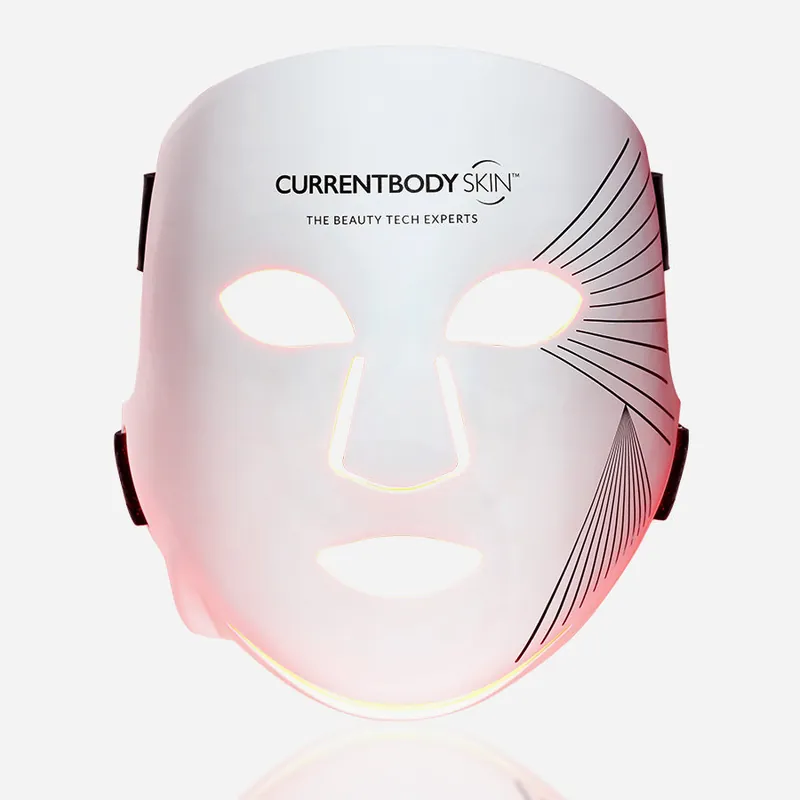 Image: CurrentBodyCurrentBody Series 2 Image: CurrentBodyCurrentBody Series 2 | 633, 830, 1072 nm | 236 | 10 min, 3–5x/week | 1 anti-aging preset | 510(k) K250966 | $469.99 |
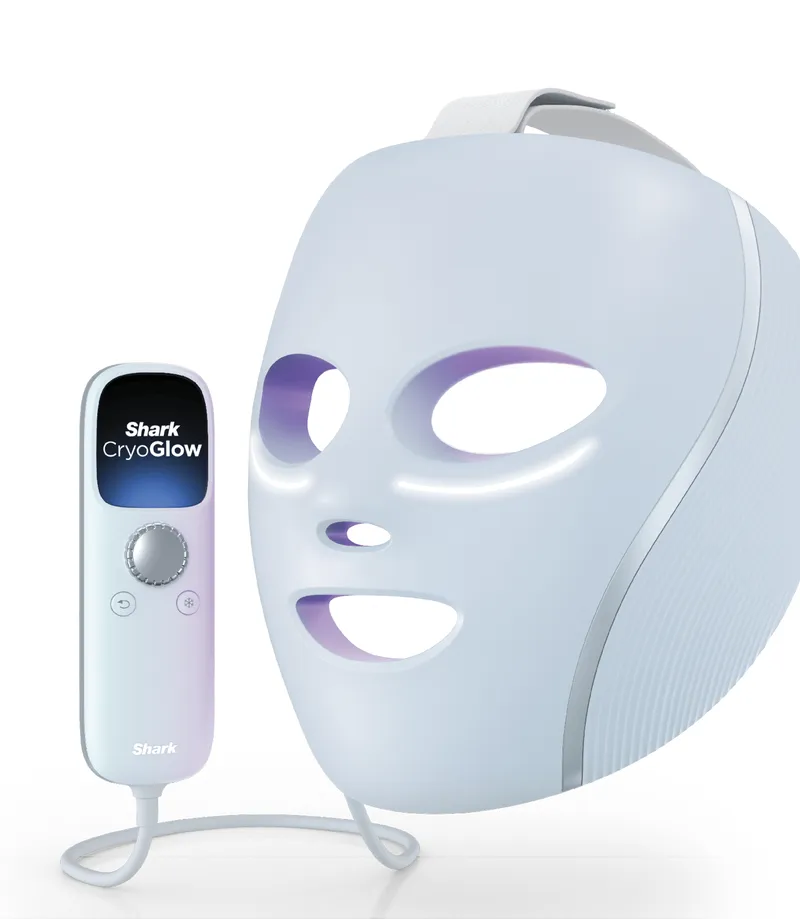 Image: SharkNinjaShark CryoGlow (FW312) Image: SharkNinjaShark CryoGlow (FW312) | 415, 630, 830 nm | 160 tri-wick (480 light sources) | Pre-programmed routines (6-min routine used in Shark’s study) | Under-eye cooling; 2-year warranty | 510(k) K242796 | $349.99 |
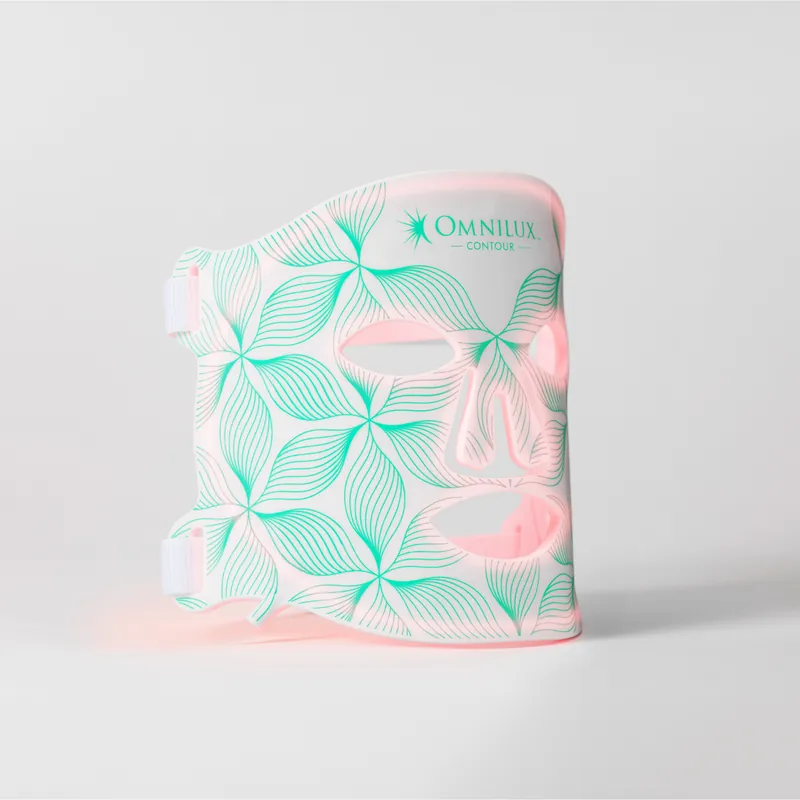 Image: OmniluxOmnilux Contour Face Image: OmniluxOmnilux Contour Face | 633, 830 nm | 132 (66 dual-chip bulbs) | 3–5x/week for 4–6 weeks, then maintenance | Flexible; ~30 mW/cm²; 2-year warranty | Brand says FDA-cleared; K-number not named on page | $395 |
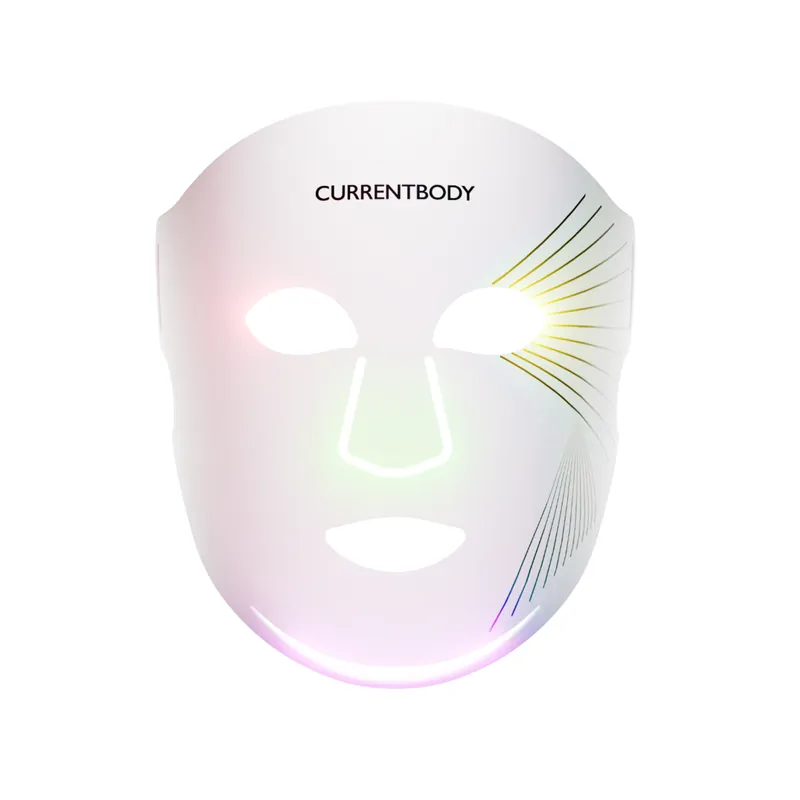 Image: CurrentBodyCurrentBody Series 3 Image: CurrentBodyCurrentBody Series 3 | 633, 830, 1072, 415, 532, 590 nm | 750 | 10 min, 3–5x/week | 4 presets + custom (app) | Brand says FDA-cleared; K260715 (“Multi Light” mask) appears to match | $569.99 |
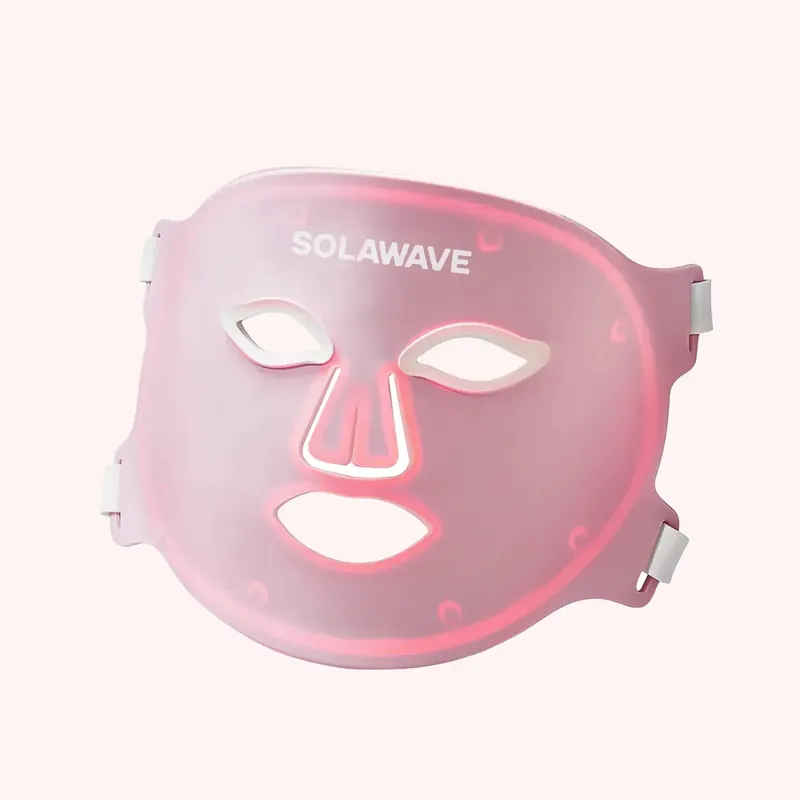 Image: SolawaveSolawave Wrinkle Retreat Pro Image: SolawaveSolawave Wrinkle Retreat Pro | 605, 630, 660, 830 nm | 320 | 3 min, 3–5x/week | 65 mW/cm² (brand figure) | 510(k) K252983 | $399 sale ($499) |
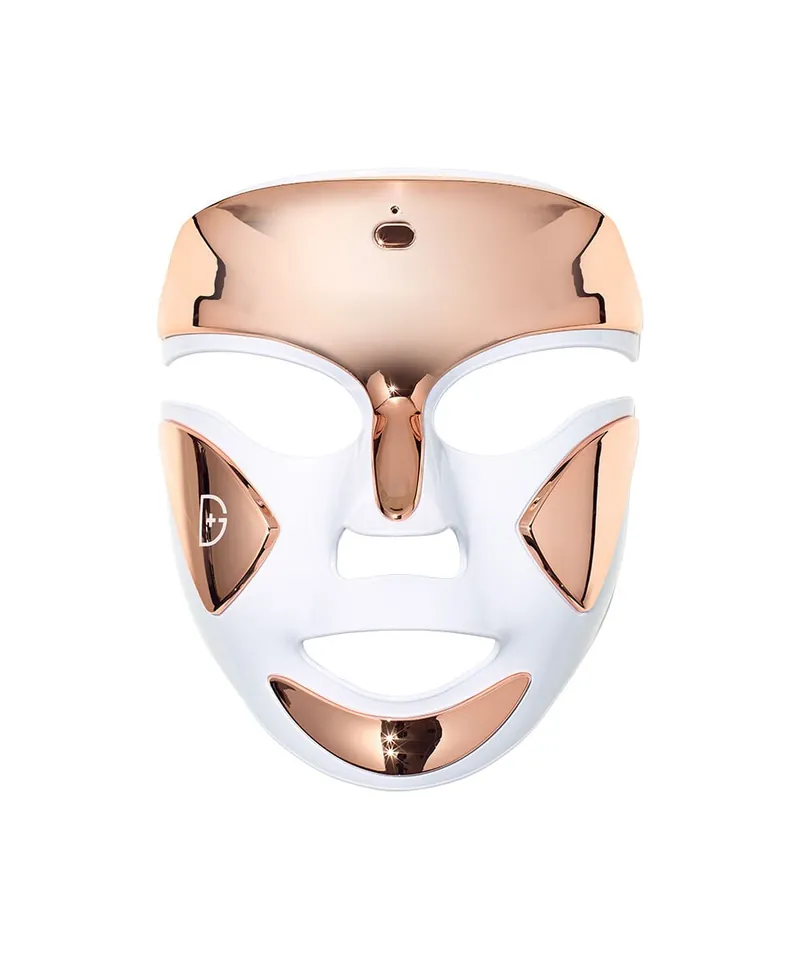 Image: Dr. Dennis Gross SkincareDDG SpectraLite FaceWare Pro Image: Dr. Dennis Gross SkincareDDG SpectraLite FaceWare Pro | Red and blue (not clearly itemized on page) | 100 red + 60 blue | 3 min, auto shut-off | Red, blue or red + blue modes | Brand says FDA-cleared; K-number not named on page | $455 |
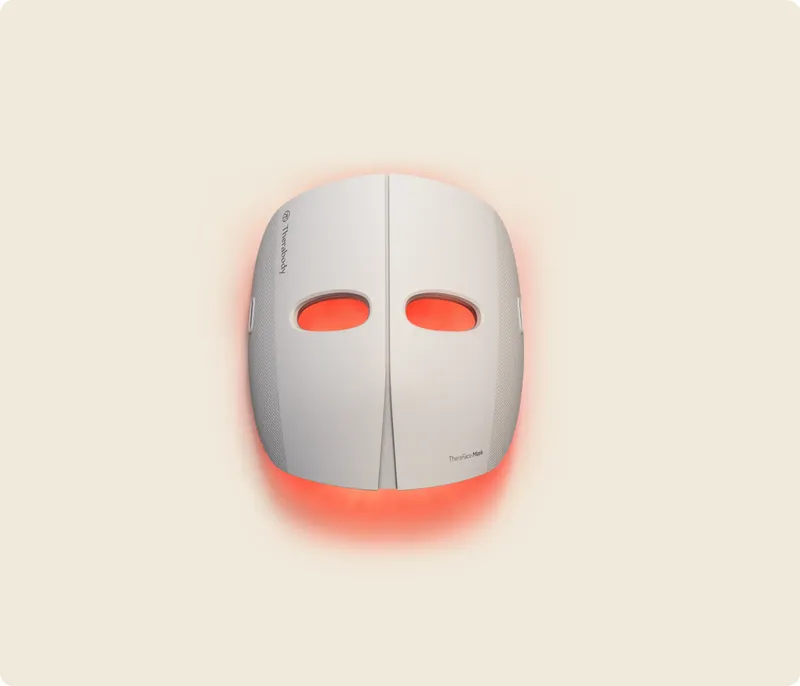 Image: TherabodyTherabody TheraFace Mask Image: TherabodyTherabody TheraFace Mask | 633, 830, 415 nm | 648 | See manual | Vibration massage | 510(k) K230293 | $559.99 sale ($649.99) |
“510(k)” means we found an FDA clearance under that product name in FDA’s database. “Brand says FDA-cleared” means the brand claims clearance but we couldn’t match a record by name. That doesn’t mean the claim is false, since 510(k)s are often filed under a manufacturer’s or model name. Prices checked October 7, 2026.
How we chose
We started with full-face LED masks sold by brands to US shoppers and focused on the details you can check:
- Wavelengths: red (about 630–660 nm) and near-infrared (about 830–850 nm) are the best-studied for aging skin. Masks that publish exact wavelengths ranked higher than vague “red light” claims.
- Regulatory record: we searched FDA’s 510(k) database for each mask. Over-the-counter LED wrinkle devices are Class II (product code OHS) and need clearance.
- Coverage and design: LED count, fit, and whether output or irradiance is published.
- Evidence: independent trials of the technology, plus any study of the specific mask, noting who paid for it.
- Price, warranty and returns.
See the full method in How We Evaluate.
CurrentBody Skin LED Light Therapy Mask: Series 2
- Wavelengths
- Red 633 nm, near-infrared 830 nm, deep near-infrared 1072 nm
- LEDs
- 236
- Session
- 10 minutes, 3–5 times a week; one anti-aging preset
- Regulatory
- FDA 510(k) K250966 (“CurrentBody Skin LED Light Therapy Mask Series 2,” cleared June 2025)
- Price
- $469.99 at CurrentBody (bundles cost more)
Why it’s our top pick: It combines the two best-studied anti-aging wavelengths with a third, 1072 nm, at a mid-range price, and its clearance is easy to verify. Ten-minute sessions a few times a week fit most routines. It’s a one-trick device: there’s no blue light for blemishes, which is fine if aging skin is your focus. CurrentBody reports results from its own and lab-run testing on the product page. We treat those as brand claims.
Pros
- Verified 510(k) under the product name
- Three red/near-infrared wavelengths
- Simple one-button routine
Cons
- No blue light for acne
- More expensive than Shark’s cleared mask
- Brand results are self-reported
Shark CryoGlow LED Face Mask
- Wavelengths
- Blue 415 nm, red 630 nm, infrared 830 nm (per Shark’s FAQ)
- LEDs
- 160 tri-wick LEDs (480 light sources), each emitting all three wavelengths
- Modes
- Better Aging, Skin Clearing, Skin Sustain, plus Under-Eye Revive cooling
- Regulatory
- FDA 510(k) K242796 (“CryoGlow,” SharkNinja, cleared November 2024)
- Price
- $349.99 at Shark; 2-year limited warranty
Shark’s mask is a rigid shield that sits slightly off the face rather than a flexible silicone mask, and it adds a feature no other mask here has: cooling pads under the eyes with three chill levels. Shark says its anti-aging results come from an 8-week study of 59 people using a 6-minute routine daily on the original FW300 model. That study was run for the brand. For a cleared mask with red, infrared and blue light, it’s the lowest price we found.
Pros
- Lowest price among the cleared masks here
- Red, infrared and blue light
- Under-eye cooling; 2-year warranty
Cons
- Rigid shield design; bulkier than silicone masks
- Study was brand-run
Omnilux Contour Face
- Wavelengths
- Red 633 nm + near-infrared 830 nm, emitted together
- LEDs
- 132 (66 red, 66 near-infrared in 66 dual-chip bulbs)
- Output
- About 30 mW/cm², per Omnilux
- Routine
- 3–5 times a week for 4–6 weeks, then maintenance
- Regulatory
- Omnilux describes Contour as FDA-cleared. The product page doesn’t name a K-number, and we couldn’t match one by name. Omnilux’s acne mask, Omnilux Clear, is cleared under K210948
- Price
- $395 at Omnilux; 2-year warranty
Omnilux has made clinic LED panels since the early 2000s, and earlier Omnilux devices appear in FDA’s database going back to 2003. The Contour Face keeps things simple: one combined red + near-infrared treatment in a thin, flexible mask that sits directly on the skin. It also publishes its output figure, which most brands don’t. Omnilux says its technology appears in over 40 peer-reviewed studies. Most of those involve its clinic systems rather than this home mask, so read that as heritage, not proof for this specific product.
Pros
- Flexible, close-fitting design
- Published output and clear usage guidance
- 2-year warranty
Cons
- No blue light (that’s the separate Omnilux Clear)
- Clearance number not stated on the page
CurrentBody Skin LED Light Therapy Mask: Series 3
- Wavelengths
- Red 633, near-infrared 830, deep near-infrared 1072, blue 415, green 532 and yellow 590 nm
- LEDs
- 750
- Session
- 10 minutes, 3–5 times a week; 4 presets or custom treatments via the app (“MyDose”)
- Regulatory
- CurrentBody calls it FDA-cleared. A June 2026 510(k), K260715, covers a “CurrentBody Skin LED Multi Light Therapy Mask,” which appears to be this model
- Price
- $569.99 at CurrentBody
Series 3 is for people who want one mask for several concerns: aging, blemishes and redness. The extra green and yellow wavelengths have far less research behind them than red and near-infrared, so pay the extra $100 over Series 2 for flexibility, not for a proven anti-aging edge.
Solawave Wrinkle Retreat Pro
- Wavelengths
- Red 630 nm, deep red 660 nm, amber 605 nm, near-infrared 830 nm
- LEDs
- 320
- Session
- 3 minutes, 3–5 times a week
- Irradiance
- 65 mW/cm², per Solawave
- Regulatory
- FDA 510(k) K252983 (“Wrinkle Retreat Pro Light Therapy Face Mask,” cleared December 2025; filed by Shenzhen Goodwind Technology rather than under Solawave’s name)
- Price
- $399 sale ($499 compare-at) at Solawave; 1-year warranty, 60-day returns
If 10-minute sessions are what stop you using a mask, this one is built around 3 minutes. Solawave publishes a higher irradiance figure than most competitors, which is how a shorter session can deliver a meaningful dose. Higher intensity isn’t automatically better, though, and the dose that works best for skin is still debated. A buy-one-get-one promotion was running when we checked.
Dr. Dennis Gross DRx SpectraLite FaceWare Pro
- Light
- 100 red and 60 blue lights; red, blue or red + blue modes. The page mentions “4 wavelengths of red light” but doesn’t clearly itemize them
- Session
- 3 minutes with automatic shut-off
- Regulatory
- Dr. Dennis Gross calls it FDA-cleared. The page doesn’t list a K-number. FDA’s database includes clearances for similar masks from LED Technologies, Inc. (“dpl Faceware,” K183247), but we couldn’t confirm which record covers this product
- Price
- $455 at Dr. Dennis Gross; 1-year warranty
The FaceWare Pro is the pick if breakouts and fine lines are both on your list, since it can run red and blue light together in one 3-minute session. The brand reports that 97% of people saw improvements in its “clinical and consumer perception study,” but doesn’t publish details on the page, so we can’t weigh that figure.
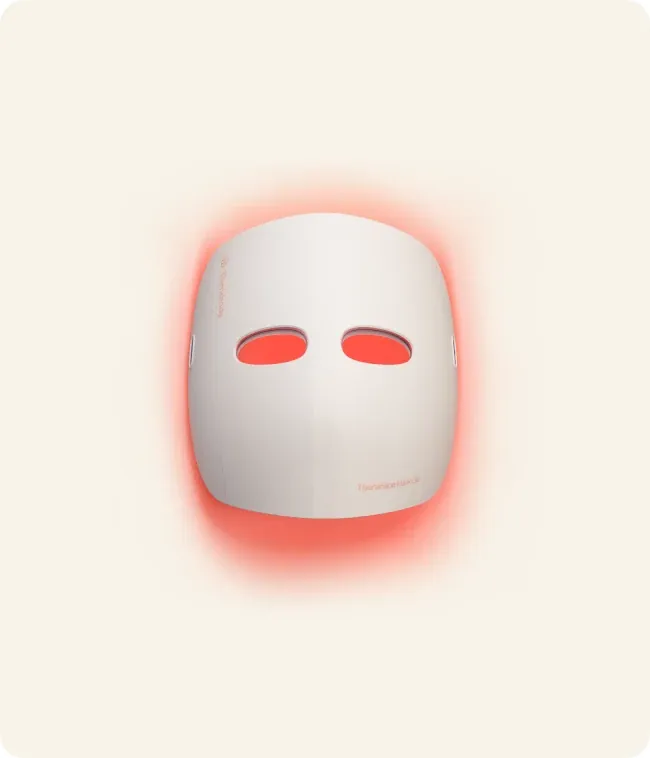
Therabody TheraFace Mask (and TheraFace Mask Glo)
- Wavelengths
- Red 633 nm, red + infrared 830 nm, blue 415 nm
- LEDs
- 648
- Extras
- Vibration around the eyes and head
- Regulatory
- FDA 510(k) K230293 (“TheraFace Mask,” cleared June 2023)
- Price
- $559.99 sale ($649.99 regular) at Therabody
Therabody adds a vibration massage to a full red/infrared/blue mask. That’s pleasant, but the massage is a comfort feature, not an anti-aging one. The cheaper TheraFace Mask Glo ($284.99 sale, $379.99 regular) has 504 red, infrared and blue LEDs, a 12-minute routine and a scalp massage. Therabody labels it FDA-cleared too, but we didn’t find a separate 510(k) under the Glo name.
What the evidence says about LED masks
- Red and near-infrared light for wrinkles: the strongest evidence of any home technology. A 2025 multicenter, randomized, double-blind, sham-controlled trial of a home mask (630 nm LED + 850 nm infrared) in 60 adults found significant improvement in crow’s feet versus sham at 8, 12 and 16 weeks (Park et al., 2025). An earlier controlled trial of red and near-infrared light also reported improvements in skin feel, fine lines and collagen density (Wunsch & Matuschka, 2014).
- The 633/830/1072 nm combination was tested in a small 6-week study of a commercially available mask in men, with favorable participant-rated and photo-analysis results but no control group (Mineroff et al., 2023).
- Blue light for acne: weaker than marketing suggests. A Cochrane review of 71 trials found most were small and rated much of the evidence for light therapies as low or very low quality (Barbaric et al., 2016).
- Overall: a 2026 dermatology review describes at-home devices, LED included, as having a favorable safety profile and “modest clinical efficacy,” with results more gradual and less pronounced than in-office treatments (Layne & Weiser, 2026).
Buying guide
1. Check the wavelengths
For aging skin, look for red around 630–660 nm plus near-infrared around 830–850 nm. Extra colors are fine, but they add less proven value.
2. Look up the clearance
Search the mask name or brand in FDA’s 510(k) database. If you can’t find it, ask the brand for the K-number. Be cautious with masks that only say “FDA registered.” See what FDA labels really mean.
3. Pick a session length you’ll stick with
Consistency beats features. A 3-minute mask used five times a week will do more than a 10-minute one left in a drawer.
4. Fit and comfort
Flexible silicone masks sit closer to the skin. Rigid shields are easier to put on and can include extras like cooling. Check for eye protection or inserts.
5. Safety
Read the contraindications. Light sensitivity, photosensitizing medication, a history of skin cancer, and some eye conditions are common reasons to check with a doctor first.
Considering alternatives? How at-home ultrasound compares
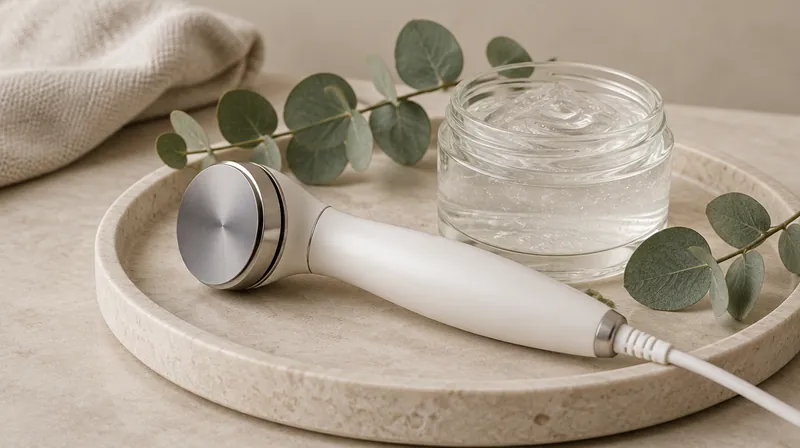
LED is the evidence leader for fine lines, and if that’s your priority it’s where we’d start. Some people want something different, though: a hands-on routine that also helps skincare absorb, or a device that doesn’t use light at all. That’s where non-focused ultrasound fits. These handhelds glide over a water-based gel and deliver low-intensity sound waves in the megahertz range. Their anti-aging evidence is thinner than LED’s and mostly brand-run. Their strength is a different mechanism: ultrasound is well documented to increase skin permeability (Azagury et al., 2014).
Disclosure: GlowLab's publisher, Dalmie LLC, is a US retailer of Quadthera and may earn from sales. Learn more.| Device | Technology | How you use it | Evidence (our read) | FDA status | Price seen |
|---|---|---|---|---|---|
| CurrentBody Series 2 | Red/near-infrared LED | Hands-free, 10 min | Strongest of any home technology (RCTs of similar masks) | 510(k) K250966 | $469.99 |
| Quadthera Titan† | Non-focused ultrasound, 1/3/10/19 MHz; titanium head | Handheld with gel, up to 10 min | Small brand-funded study; ultrasound permeability research | Class I listing (ISA). Not FDA-cleared | $1,100 |
| THOME The Glow Signature | Non-focused ultrasound, 3 + 10 MHz | Handheld with ampoule, 12 min | Brand-reported testing | Class I listing (ISA). Not FDA-cleared | $399 ($329 sale listing) |
† GlowLab's publisher, Dalmie LLC, is a US retailer of Quadthera and may earn from sales. Prices checked October 7, 2026.
When ultrasound might suit you better: you’d rather not use light (for example, because of light sensitivity, after checking with your doctor), you want a device that pairs with your serums, or you prefer a hands-on ritual to sitting under a mask. The Quadthera Titan publishes the widest frequency range of the standalone handhelds we found, but it costs more than twice as much as most masks. THOME is a lower-cost way to try ultrasound.
When an LED mask is the better choice: you want the most evidence per dollar, hands-free sessions, and an FDA-cleared device.
Many people use both: a mask for lines, a handheld for absorption and texture. Learn more in what is at-home ultrasound skincare?, the best at-home ultrasound devices and ultrasound vs LED vs microcurrent for aging skin.
Frequently asked questions
Are LED face masks FDA-approved?
How long does it take to see results from an LED mask?
Red vs near-infrared vs blue light: what’s the difference?
Are LED masks safe for your eyes?
Can I use retinol or acids with an LED mask?
Do cheap LED masks work?
Sources
- CurrentBody: LED Mask Series 2 product page
- CurrentBody: LED Mask Series 3 product page
- Shark: CryoGlow LED Face Mask (FW312) product page
- Shark UK support: CryoGlow LEDs and wavelengths
- Omnilux: Contour Face product page and FAQ
- Solawave: Wrinkle Retreat Pro product page
- Dr. Dennis Gross: DRx SpectraLite FaceWare Pro product page
- Therabody: TheraFace Mask and TheraFace Mask Glo product pages
- FDA 510(k) database — K250966, K260715, K242796, K252983, K230293, K210948, K183247 checked via openFDA Oct 7, 2026
- 21 CFR 878.4810 (laser/light-based surgical and OTC devices; product code OHS)
- Park SH, et al. Home LED/IRED mask for crow’s feet: randomized, double-blind, sham-controlled trial. Medicine. 2025
- Wunsch A, Matuschka K. Controlled trial of red and near-infrared light. Photomed Laser Surg. 2014
- Mineroff J, et al. Male facial rejuvenation using a 633/830/1072 nm LED face mask. Arch Dermatol Res. 2023
- Barbaric J, et al. Light therapies for acne. Cochrane Database Syst Rev. 2016
- Layne MR, Weiser JA. The safety and efficacy of at-home devices for skin care. Facial Plast Surg. 2026
- Azagury A, et al. Ultrasound mediated transdermal drug delivery. Adv Drug Deliv Rev. 2014
- Quadthera Titan product page (our publisher, Dalmie LLC, retails Quadthera)
- THOME The Glow Signature product page