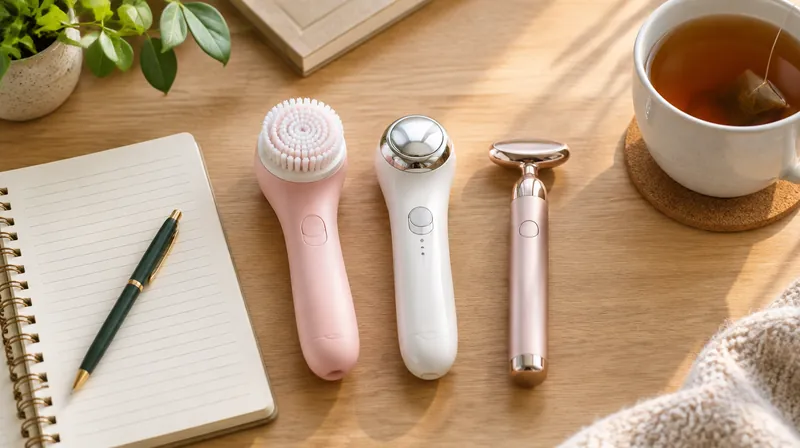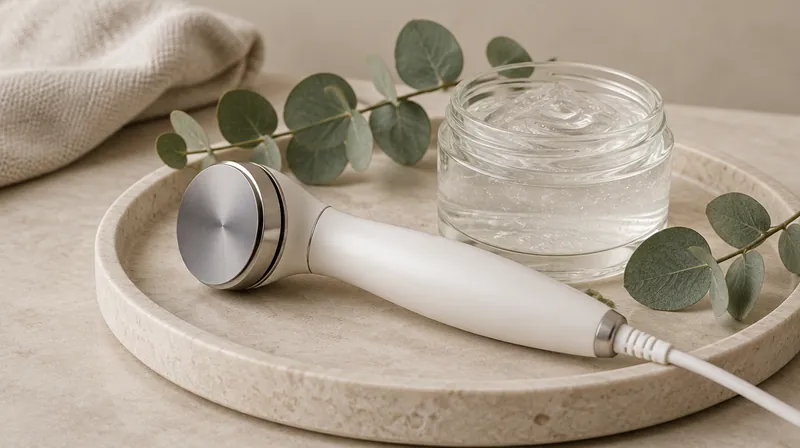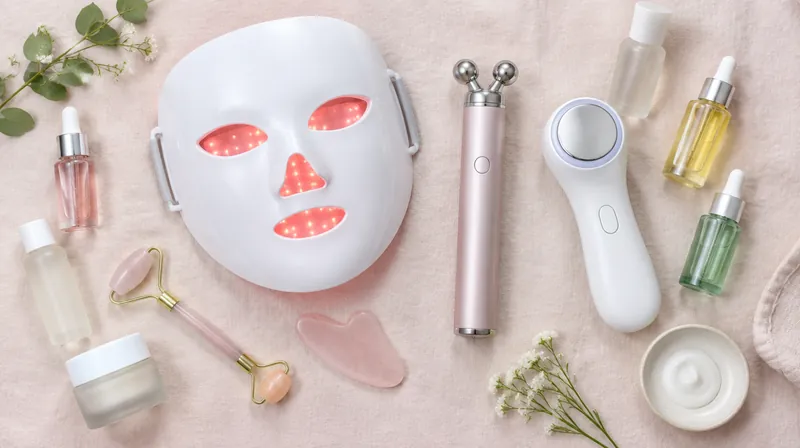
LED vs Microcurrent vs RF vs EMS vs Ultrasound
A plain-English comparison of the five main at-home beauty device technologies: how each works, what it can realistically do, the strength of the evidence, and safety.
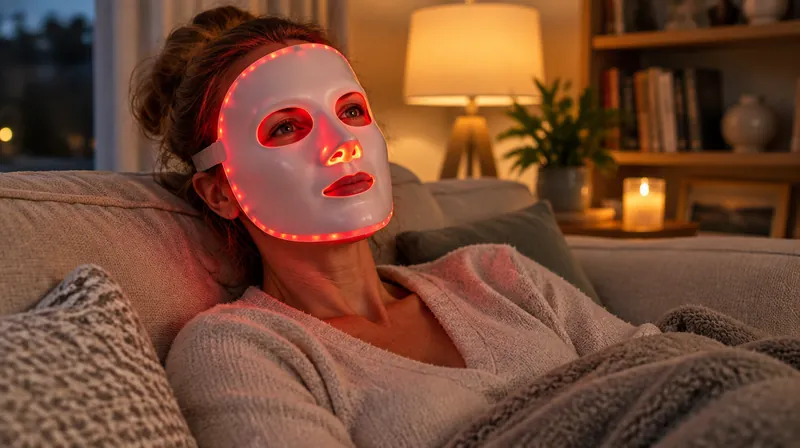
LED masks and wands use red and near-infrared light (and sometimes blue light for blemishes). Of the at-home technologies we cover, red/near-infrared light has the most published clinical research behind it, although study quality varies and results are gradual.
A plain-English comparison of the five main at-home beauty device technologies: how each works, what it can realistically do, the strength of the evidence, and safety.
What the evidence says about LED masks, microcurrent and at-home ultrasound for fine lines, firmness and texture, and how to choose based on your main concern.
We compared LED masks from CurrentBody, Shark, Omnilux, Solawave, Dr. Dennis Gross and Therabody on wavelengths, coverage, verified FDA 510(k) records, evidence and price.
What “FDA-approved,” “FDA-cleared,” “FDA-registered” and “Class I” mean on beauty devices, the product codes you’ll see, and how to check any device in FDA’s databases yourself.
Which at-home anti-aging technologies are gentlest for sensitive or rosacea-prone skin, the devices we’d look at first, and how to start without irritation.
What to put on your skin with LED masks, microcurrent, ultrasound, RF and Medicube devices, with real product examples, prices and what to avoid.
A cross-technology roundup of the best at-home anti-aging devices, from FDA-cleared LED masks to microcurrent, RF, ultrasound and Medicube, ranked by evidence, FDA status and price.