The Best At-Home Ultrasound Facial Devices (2026)
Multi-frequency ultrasound (often called “LDM” after the clinic technique) is one of the newest K-beauty device categories. We compared the main options sold to US shoppers on what can actually be checked: published frequencies, design, regulatory status, evidence and price.
Our publisher, Dalmie LLC, sells Quadthera. We don't earn commissions from other links in this article. Disclosure.
Quick picks
- Best overall multi-frequency deviceDisclosure: GlowLab's publisher, Dalmie LLC, is a US retailer of Quadthera and may earn from sales.$1,100 (includes gel) at Quadthera
The only standalone handheld we found that publishes all four of 1, 3, 10 and 19 MHz, with a titanium head and per-mode frequency details. Expensive, and its study was paid for by the brand.
- Best value$399 list at THOME (a $329 sale listing was also live)
Dual-frequency (3 + 10 MHz) device with voice-guided 12-minute sessions and three clearly documented modes, for well under half the Titan’s price.
- Best for blemish-prone skin$249 list at THOME
The same 3 + 10 MHz pairing in a two-mode device positioned for texture and blemish-prone skin.
- Ultrasound plus cooling$699 sale ($1,100 regular) at glow.m
Pairs what glow.m calls “quad-frequency” ultrasound with a cooling function. glow.m doesn’t list the individual frequencies in its product text.
- Splurge systemHandpiece $1,286; Athena system $4,555
Publishes the same 1/3/10/19 MHz set as the Titan, but the handpiece only works with SENNEY’s multi-device Athena system.
At-home ultrasound devices are small handsets that send low-intensity, non-focused sound waves (in the megahertz range) into the skin through a gel or serum. Brands market them for hydration, a smoother texture, better product absorption and a firmer look over time. They are not at-home Ultherapy. Clinical focused ultrasound (HIFU) is a different technology, regulated differently. If you’re new to the category, start with our explainer: What is at-home ultrasound skincare?
We haven’t tested these devices hands-on yet. This guide is built from manufacturer specifications, FDA database records, published research and price. Where something couldn’t be verified, we say so. Prices are as listed on each brand’s own site on October 7, 2026 and change often.
Comparison table
Disclosure: GlowLab's publisher, Dalmie LLC, is a US retailer of Quadthera and may earn from sales. Learn more.| Device | Published frequencies | Modes / session | Head | Glide medium | FDA status (our search) | Price seen |
|---|---|---|---|---|---|---|
| Quadthera Titan† | 1, 3, 10, 19 MHz | 5 modes, 2 intensity levels; 10-min auto-off | Titanium Grade 2 | Water-based conductive gel | Class I listing (ISA). Not FDA-cleared | $1,100 |
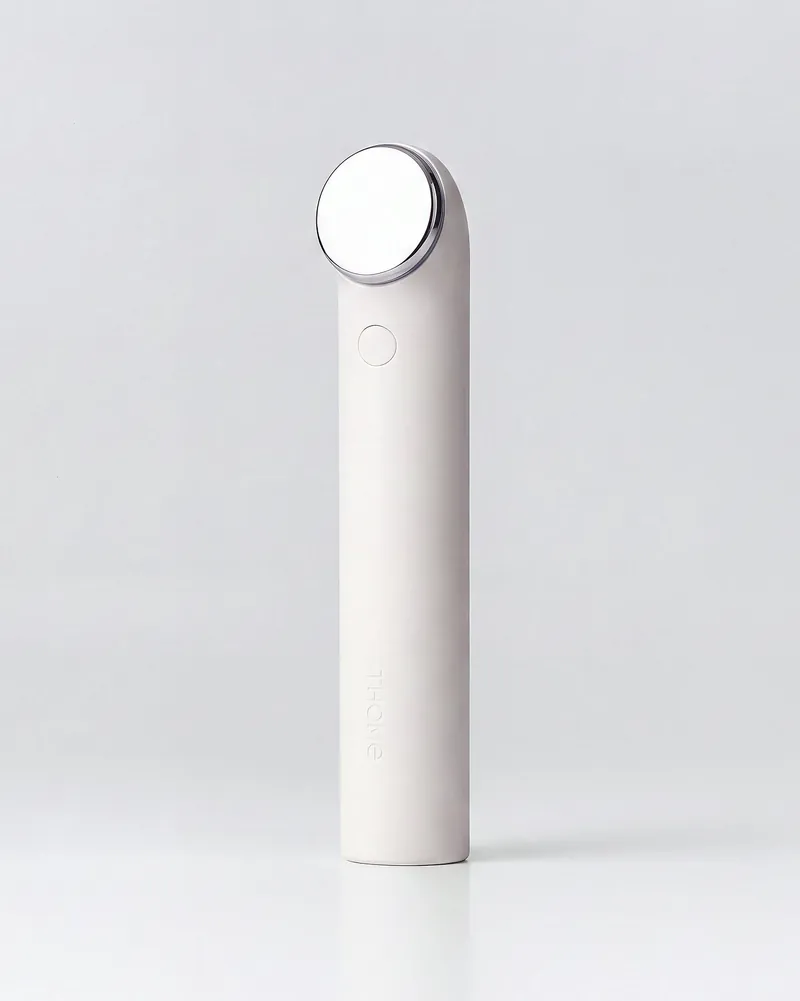 Image: THOMETHOME The Glow Signature Image: THOMETHOME The Glow Signature | 3 + 10 MHz | 3 modes; 12-min voice-guided session | Not stated | THOME ampoule recommended | Class I listing (ISA). Not FDA-cleared | $399 ($329 sale listing) |
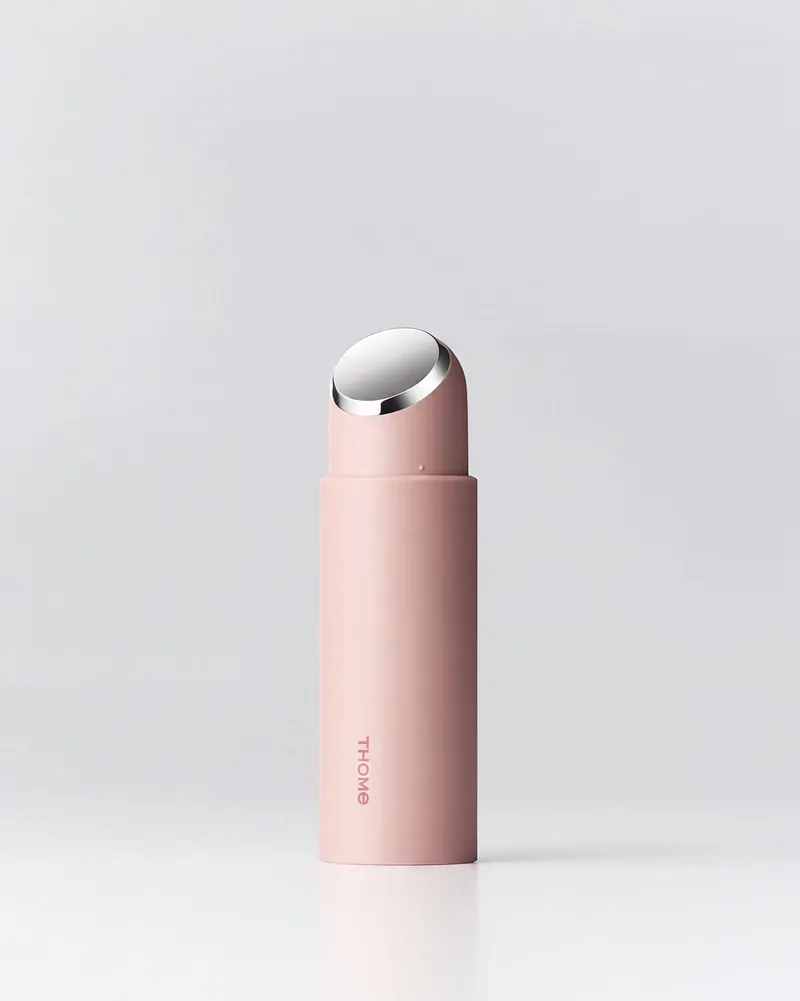 Image: THOMETHOME Twenty Up Image: THOMETHOME Twenty Up | 3 + 10 MHz | 2 modes; ~12-min session | Not stated | THOME ampoule recommended | Class I listing (ISA). Not FDA-cleared | $249 |
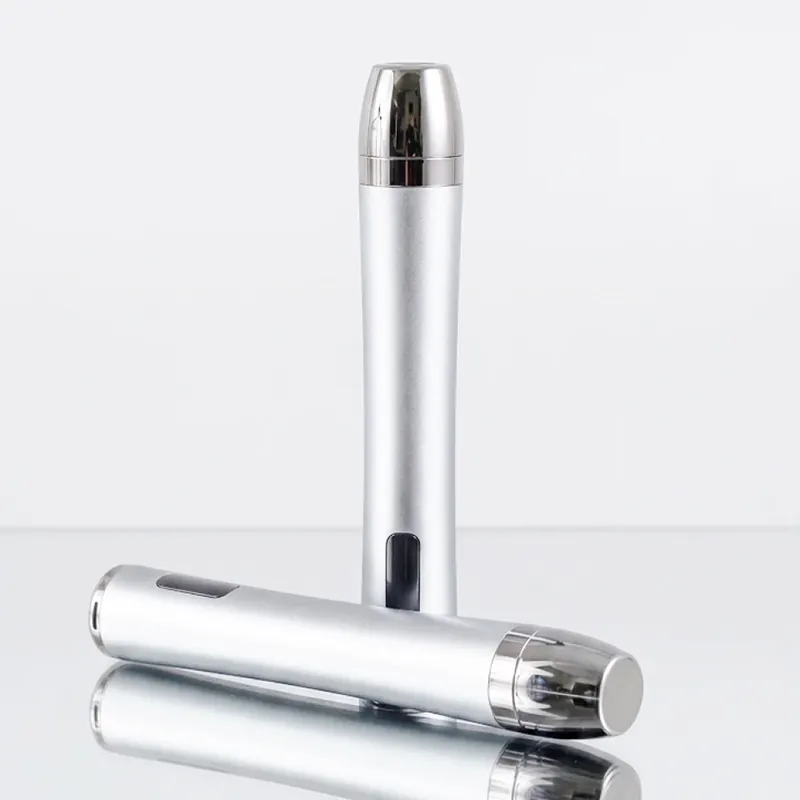 Image: glow.mglow.m Booster Sonic Image: glow.mglow.m Booster Sonic | Not listed in product text | Brand calls it “6-in-1” | Not stated | Sold with Moisture Booster Gel | Class I listing (ISA). Not FDA-cleared | $299 sale ($490 regular) |
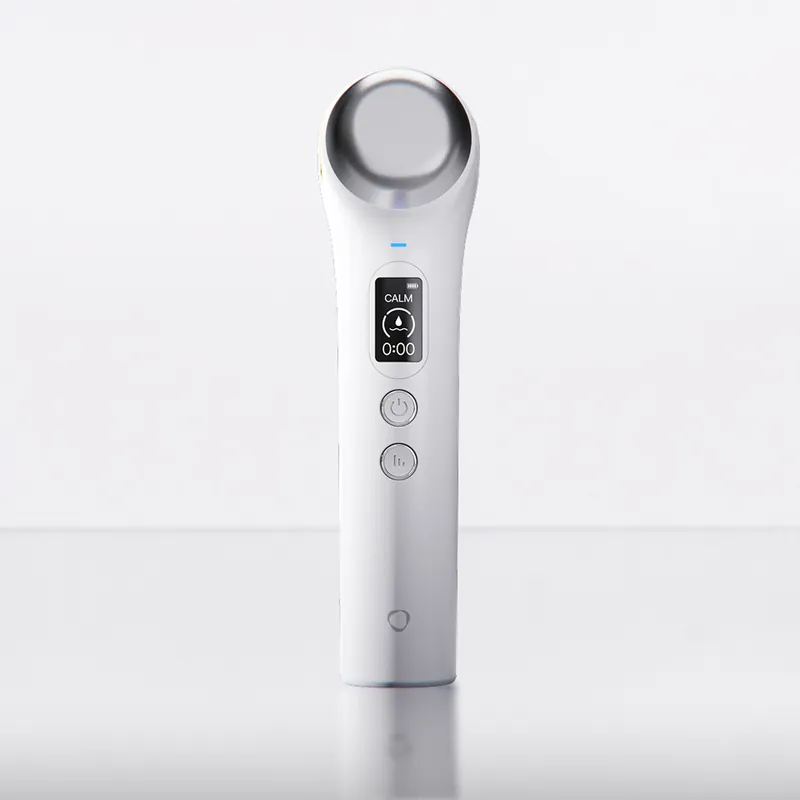 Image: glow.mglow.m Cryo Sonic Pro Image: glow.mglow.m Cryo Sonic Pro | “Quad-frequency” (not itemized) | Brand calls it “5-in-1”, with cooling | Not stated | Sold with Moisture Booster Gel | Class I listing (ISA). Not FDA-cleared | $699 sale ($1,100 regular) |
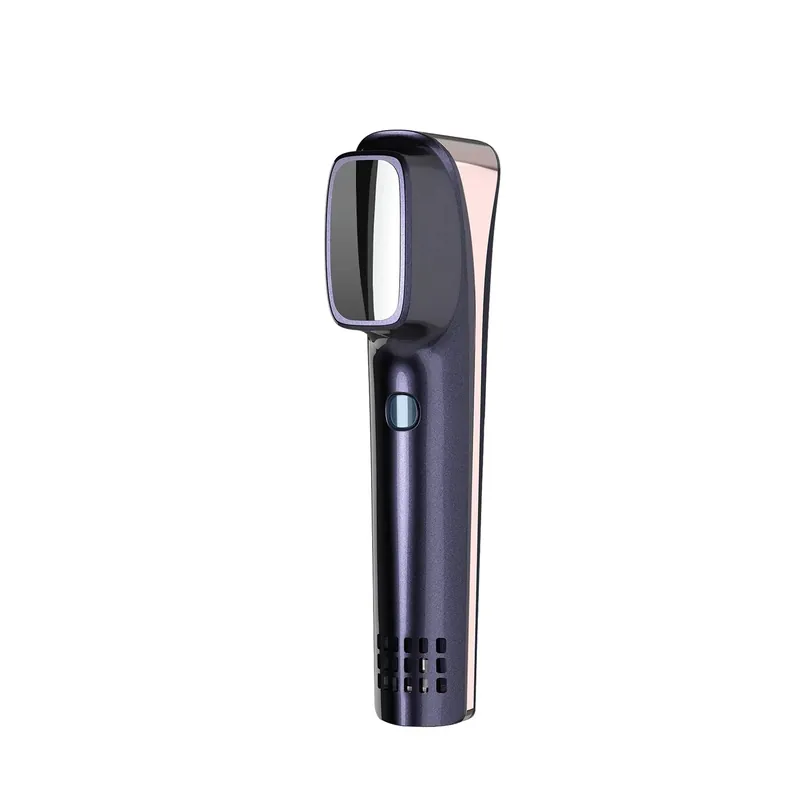 Image: SENNEYSENNEY Athena LDM handpiece Image: SENNEYSENNEY Athena LDM handpiece | 1, 3, 10, 19 MHz (fixed or variable) | 2 working modes | Not stated | Not stated | No listing found in our search | $1,286 handpiece; requires $4,555 system |
† GlowLab's publisher, Dalmie LLC, is a US retailer of Quadthera and may earn from sales. “Class I listing (ISA)” means the device appears in FDA’s establishment registration and device listing database under “massager, therapeutic, electric,” which is exempt from premarket review. This is not FDA clearance or approval. Prices checked October 7, 2026.
How we chose
We looked for handheld or system devices that use megahertz-range ultrasound on the face and are sold to US shoppers through a brand’s own store. Ultrasonic “skin scrubbers” (spatula-style tools for exfoliation) and clinic HIFU machines were left out. We then compared:
- Transparency of specs: whether the brand publishes its frequencies and which ones each mode uses. Ranking a device is hard when its key spec isn’t disclosed.
- Design and safety features: head material, session timers, auto-off and motion sensors.
- Evidence: whether there’s any product-specific study, who ran it and whether it’s published. No device here has an independent, peer-reviewed trial that we could find.
- Regulatory status: what FDA’s databases actually show, as opposed to what the marketing implies.
- Price and ongoing costs: device price plus gel or ampoule needs, warranty and returns where published.
Read the full method in How We Evaluate.
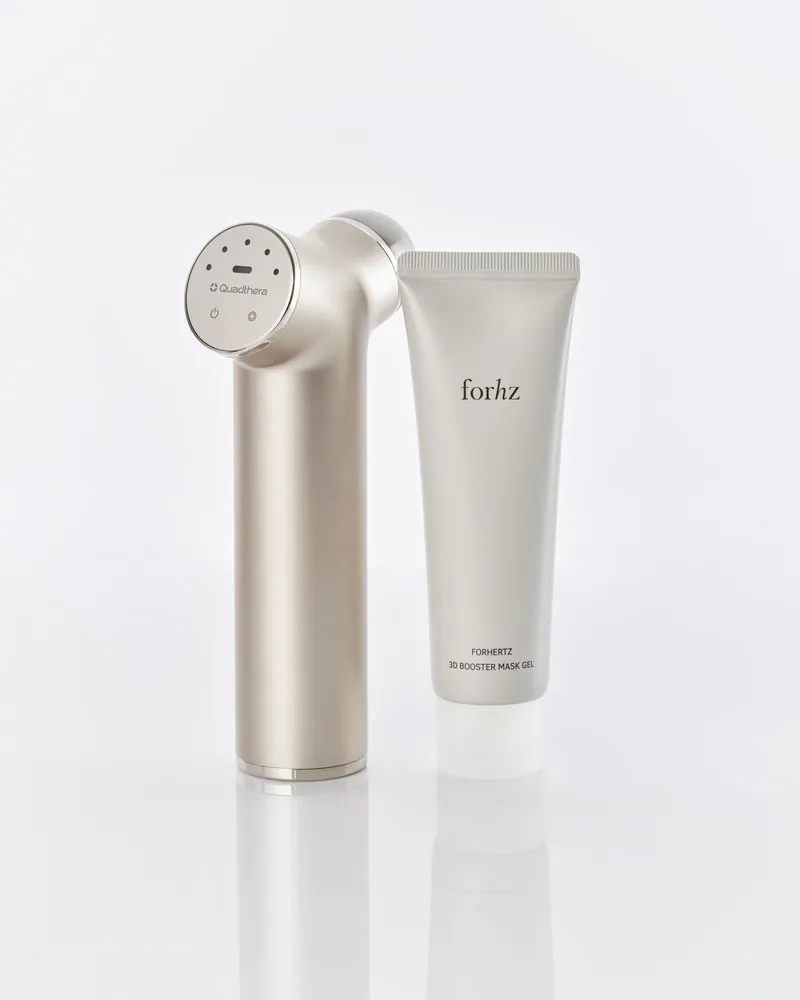
Quadthera Titan
- Frequencies
- 1, 3, 10 and 19 MHz
- Modes
- Booster (1·3 MHz), Calming (1·3·10), Firming (3·10·19), Glow (10·19), “Q Mode” (1·19·3·10). 2 intensity levels
- Head
- Titanium Grade 2
- Session
- Up to 10 minutes, auto shut-off; beeps at 5 and 10 minutes; pauses if held in one spot
- Glide medium
- Any water-based conductive gel (sold with the brand’s gel)
- Regulatory
- FDA Class I listing (ISA) under the Korean manufacturer ECO DM LAB. Not FDA-cleared. The brand describes it as cosmetic-use only
- Price
- $1,100 with gel; 1-year warranty and 30-day returns per Quadthera
Why it’s our top pick: On published specs, the Titan is the most fully documented standalone device in the category. It’s the only handheld we found that lists all four of 1, 3, 10 and 19 MHz and says which frequencies each mode uses. That makes it easier to match a mode to a goal. For example, the brand points sensitive skin to the lower-frequency Calming mode at Level 1. The titanium head, timer and stationary-detection sensor are sensible design choices for a device you use daily. It doesn’t use light, and it isn’t designed as a heating device, so it suits people who find microcurrent “zingy” or want to avoid heat.
Quadthera also points to a 4-week, 20-participant evaluation run by P&K Skin Research Center in Seoul, which used the Titan with the brand’s gel. Most consumer devices have no study of their own, so this counts for something. But the brand paid for it, the sample is small, and we haven’t seen a full published report or a sham-controlled design. Treat the reported improvements in the look of firmness, pores and texture as promising, not proven.
Pros
- Widest published frequency range among standalone handhelds we found
- Per-mode frequencies are disclosed
- Titanium head, auto-off and motion sensor
- Works with any water-based gel (no proprietary consumable required)
Cons
- The most expensive handheld here
- Supporting study is small, paid for by the brand and not independently published
- Class I listing only; not FDA-cleared (true of every device here)
- Results are gradual and depend on daily use
Who it’s for: People who already know they want ultrasound and value the widest frequency range and clear specs over price. If you’re unsure ultrasound is for you, a cheaper dual-frequency device is a lower-risk way to try the category.
Disclosure: GlowLab's publisher, Dalmie LLC, is a US retailer of Quadthera and may earn from sales. THOME The Glow Signature
- Frequencies
- 3 + 10 MHz (dual frequency)
- Modes
- Focus (10 MHz, then 3+10), Inner (3+10), Tension (3 MHz, then 3+10)
- Session
- 12 minutes with built-in voice guidance; adjustable intensity
- Glide medium
- THOME Boost Ampoules recommended
- Regulatory
- FDA Class I listing (ISA) under EASYTEM Co., Ltd. Not FDA-cleared
- Price
- $399 list (a separate $329 sale listing was also live on THOME’s site)
THOME documents its modes clearly, down to the timing of each frequency step, and the voice guidance makes a 12-minute routine easy to follow. It doesn’t have the 1 MHz and 19 MHz settings of four-frequency devices. Whether that matters for visible results hasn’t been tested head-to-head. THOME reports results from its own testing on the product page, including a stated “122.9% improvement in skin elasticity.” We haven’t seen the underlying study, so read it as a brand claim.
Pros
- Clear, specific mode documentation
- Voice-guided sessions
- Much lower price than four-frequency devices
Cons
- Two frequencies rather than four
- Ampoule pairing adds ongoing cost
- Head material not stated
THOME Twenty Up
- Frequencies
- 3 + 10 MHz
- Modes
- Daily/Makeup mode and Calming mode
- Session
- About 12 minutes
- Regulatory
- FDA Class I listing (ISA) under EASYTEM Co., Ltd. Not FDA-cleared
- Price
- $249 list (a lower sale listing also appeared on THOME’s site)
THOME positions the Twenty Up for blemish-prone, reactive-looking skin and texture rather than firmness. It’s the lowest-priced device here with clearly published frequencies. The brand reports a “96.62% improvement in skin texture” after two weeks from its own testing, which, again, we couldn’t verify.
glow.m Cryo Sonic Pro (and Booster Sonic)
- Technology
- “Quad-Frequency Ultrasound” with cooling, per glow.m (individual frequencies not itemized in product text)
- Regulatory
- Both glow.m devices have an FDA Class I listing (ISA) under The Growth Co., Ltd. Not FDA-cleared
- Price
- Cryo Sonic Pro $699 sale ($1,100 regular); Booster Sonic $299 sale ($490 regular), each sold with a 100 g Moisture Booster Gel
glow.m, a Seoul-based brand, sells two ultrasound devices in the US. The Cryo Sonic Pro adds a cooling function, which may appeal if you like a de-puffing, cool-touch finish. The Booster Sonic is the cheaper “6-in-1” option. We rank them lower only because glow.m’s product text doesn’t list the frequencies. Without that, we can’t compare them fairly with devices that do. We’ll update this section if glow.m publishes them.
SENNEY Athena with LDM Ultrasonic Handpiece
- Frequencies
- 1, 3, 10 and 19 MHz; fixed-frequency and variable-frequency modes
- Format
- One of several handpieces for the Athena system; not sold for standalone use
- Regulatory
- We found no FDA listing under SENNEY in our search
- Price
- Handpiece $1,286; Athena 6-in-1 system $4,555 (check what the system bundle includes)
SENNEY publishes the same four frequencies as the Titan, which shows the Titan’s frequency set isn’t unique in the market. The catch is format and cost: the LDM handpiece needs the Athena base system, which also runs light and other handpieces. It only makes sense if you want a multi-technology home system and the budget to match.
Worth watching
Quadthera MiniTitan (pre-order).
Disclosure: GlowLab's publisher, Dalmie LLC, is a US retailer of Quadthera and may earn from sales. Learn more.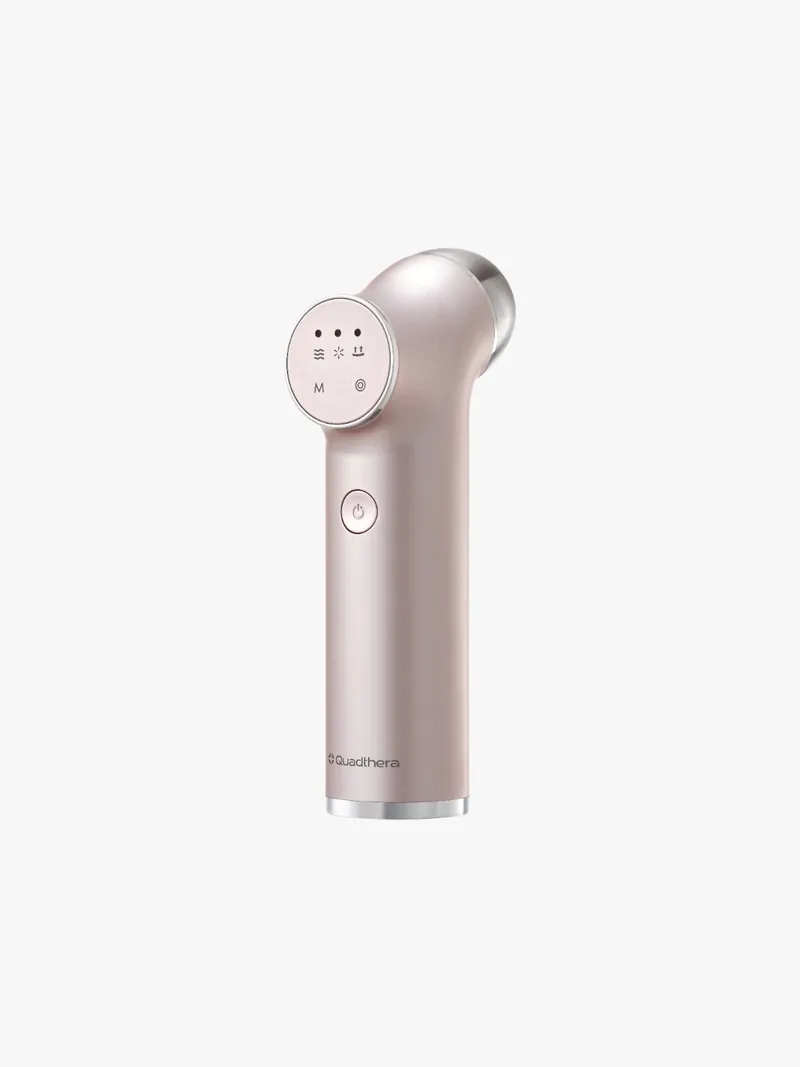
A smaller, 128 g handheld with a titanium head and 3, 10 and 19 MHz (no 1 MHz), three modes (Calming, Glow, Firming) and two intensity settings. It’s listed at $399, with a $299.25 pre-order price. Quadthera says pre-orders close November 5 and ship by November 15. We’ll assess it once it ships. Pre-order page.
Medicube AGE-R Booster Glow. Korean press reported a 2026 launch in Korea for a Medicube ultrasound device using 1, 3 and 10 MHz (summary). It wasn’t listed on Medicube’s US store when we checked, so we haven’t included it.
Buying guide: what actually matters
1. Published frequencies
Frequency is the one spec that defines these devices. Higher frequencies act closer to the skin surface, and lower frequencies reach further. Prefer brands that publish their frequencies and which ones each mode uses. “Multi-frequency” with no numbers tells you very little.
2. Session control and safety features
Look for an automatic timer, auto-off and, ideally, a sensor that pauses output if you stop moving. Follow the manual’s guidance on eyelids, the thyroid area, broken skin and implants.
3. The glide medium (and its ongoing cost)
All of these devices need a water-based gel or serum layer. Some work with any conductive gel, while others are designed around branded ampoules. Factor that into the real cost.
4. Evidence you can check
Ask who ran a study, how many people took part, whether there was a sham or control group, and whether it’s published. Brand-run studies are better than nothing, but they don’t settle anything.
5. Regulatory wording
“FDA registered” or “FDA listed” does not mean FDA-cleared or approved. FDA’s own regulation says registration “does not in any way denote approval” (21 CFR 807.39). You can check a device yourself in FDA’s registration and listing database.
Ultrasound vs LED masks, microcurrent and Medicube
Many people find ultrasound after trying something else. Here’s how it fits:
- LED masks have the deepest research base of any at-home technology, including randomized sham-controlled trials of red/near-infrared masks, and several masks hold FDA 510(k) clearance. If strong evidence is your top priority, LED is the conservative choice.
- Microcurrent (for example NuFACE) targets a temporarily lifted, defined look and needs a conductive gel. Some people find the sensation tingly. Ultrasound is barely felt.
- Medicube’s Booster Pro devices are multi-function: electroporation, microcurrent, EMS and LED, but not megahertz ultrasound. They cost less than most ultrasound devices. See our Medicube Booster Pro review.
For a fuller side-by-side, read LED vs microcurrent vs RF vs EMS vs ultrasound and which works best for aging skin.
Frequently asked questions
Are at-home ultrasound facial devices FDA-approved or FDA-cleared?
Is at-home ultrasound the same as Ultherapy or HIFU?
Which frequency is best: 1, 3, 10 or 19 MHz?
Do I need a special gel?
How long until I see results?
Is at-home ultrasound OK for sensitive skin?
Sources
- Quadthera Titan product page and FAQ (our publisher, Dalmie LLC, retails Quadthera)
- Quadthera FAQ (modes, gel, session) (our publisher, Dalmie LLC, retails Quadthera)
- Quadthera MiniTitan pre-order page (our publisher, Dalmie LLC, retails Quadthera)
- THOME The Glow Signature product page
- THOME Twenty Up product page
- glow.m US store (Booster Sonic, Cryo Sonic Pro)
- SENNEY Athena LDM Ultrasonic Handpiece
- FDA Establishment Registration & Device Listing database — searched for Quadthera, THOME, glow.m, SENNEY via openFDA on Oct 7, 2026
- 21 CFR 890.5660 — Therapeutic massager (Class I, 510(k)-exempt)
- 21 CFR 807.39 — Registration does not denote approval
- Korean PDRN guide: water-drop ultrasound devices (Medicube Booster Glow launch summary)