The Best Gels and Serums to Use With Facial Devices
The gel or serum you use can make or break a device routine: it affects comfort, contact and, for some devices, whether the device works at all. Here’s what to use with LED, microcurrent, ultrasound, RF and multi-mode devices, with real product examples and prices.
Our publisher, Dalmie LLC, sells Quadthera. We don't earn commissions from other links in this article. Disclosure.
The short answer
- Microcurrent: a generous layer of water-based conductive gel. Brand gels are fine; plain conductive gels work too.
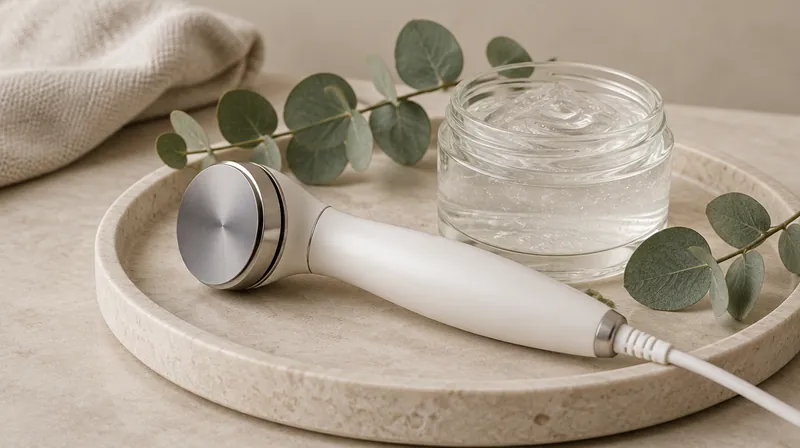
- Ultrasound: a water-based gel or ampoule to couple the sound waves into the skin.
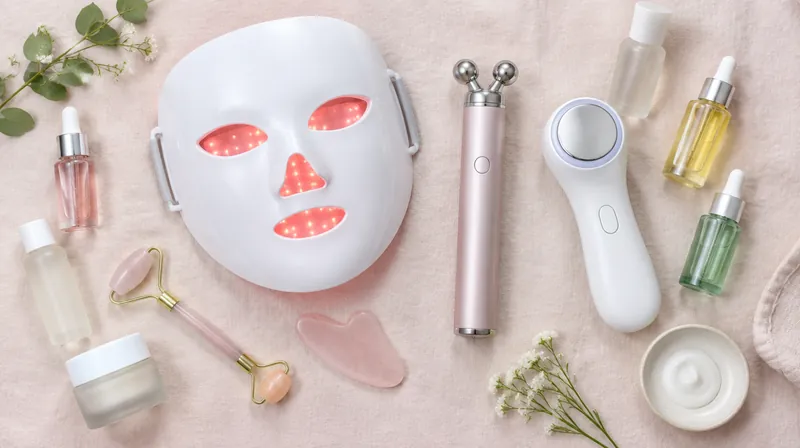
- LED masks: clean, bare skin. Apply serums afterward.
- RF: whatever the brand specifies, usually its own conductive gel.
- Medicube Booster Pro: no gel needed; use over your skincare.
Prices below were seen on each brand’s site on October 7, 2026 (price as of Oct 2026). Research-based; we haven’t tested these products hands-on.
What to use with each device
| Device type | What to use | Why | Examples (price seen) |
|---|---|---|---|
| Microcurrent (NuFACE, ZIIP, FOREO) | Water-based conductive gel or serum | Carries current evenly; prevents zaps | NuFACE Aqua Gel $35 (1.69 oz); ZIIP Electric Complex Gel from $29.99 |
| Ultrasound (Quadthera, THOME, glow.m) | Water-based gel or ampoule | Sound doesn’t travel well through air; gel couples head to skin | FORHERTZ gel $26†; THOME ampoules $22.90; glow.m gel $18.99 (100 g) |
| LED masks | Bare, clean skin | Products can block or scatter light | Serum after treatment |
| RF | Brand-specified conductive gel | Needed for safe, even energy delivery | CurrentBody RF gel $39.99 (3 oz) |
| Medicube Booster Pro | Your normal skincare (Air Shot on dry skin) | Designed to work without gel | n/a |
† FORHERTZ is Quadthera’s gel brand. GlowLab's publisher, Dalmie LLC, is a US retailer of Quadthera and may earn from sales.
Why the medium matters
For ultrasound, gel isn’t optional. Ultrasound passes poorly from a device into air, which is why medical ultrasound always uses a coupling gel (StatPearls). Without it, little energy reaches the skin. For microcurrent, the gel carries the current and spreads it out; too little and you get uneven contact, tingling or a sharp “zap.” For LED, the opposite applies: anything between the light and your skin can get in the way, so brands like Omnilux recommend bare skin.
Microcurrent gels
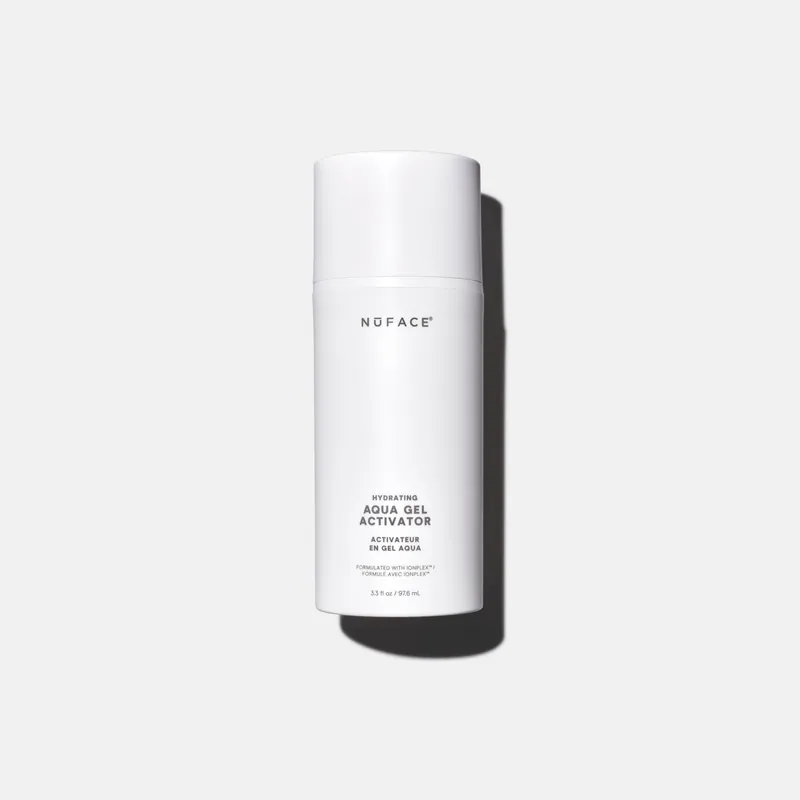
- NuFACE Aqua Gel Activator: $35 (1.69 oz), $55 (3.3 oz), $80 (10 oz). Included with NuFACE starter kits. NuFACE
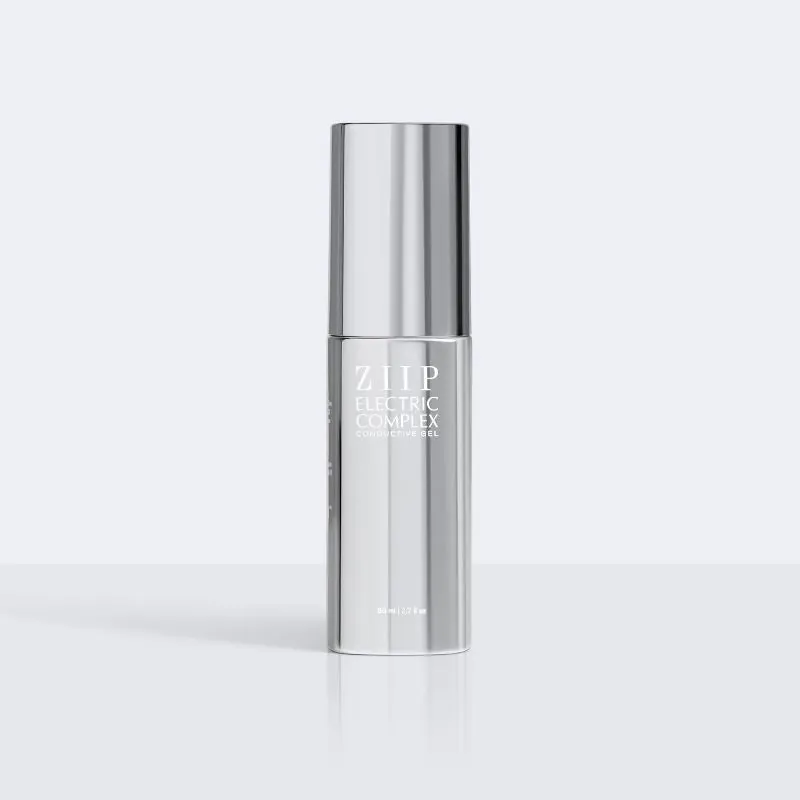
- ZIIP gels: Electric Complex Gel (the original formula) from $29.99; Clear Gel $59.99; Silver and Crystal Gels $79.99; Golden Gel $129.99 (showing as unavailable when we checked). ZIIP
- FOREO: BEAR 2 must be used with a conductive serum; FOREO recommends its SUPERCHARGED serum. Its price didn’t display for our tools.
- Generic conductive gels: Wirecutter notes these provide the same benefit as brand gels for microcurrent (Wirecutter). Choose a fragrance-free, water-based one.
Device picks: the best microcurrent devices · NuFACE vs ZIIP vs Medicube.
Ultrasound gels and ampoules
Disclosure: GlowLab's publisher, Dalmie LLC, is a US retailer of Quadthera and may earn from sales. Learn more.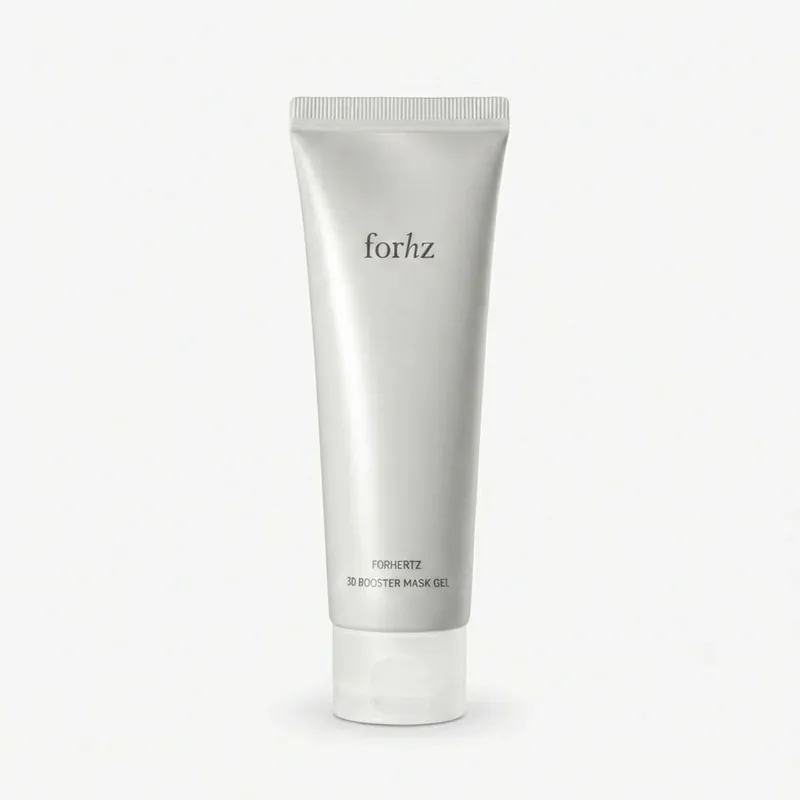
- Quadthera FORHERTZ 3D Booster Mask Gel: $26, or $79 for a 5-pack. Quadthera says any water-based conductive gel works with the Titan, so this is a convenience, not a requirement. Quadthera
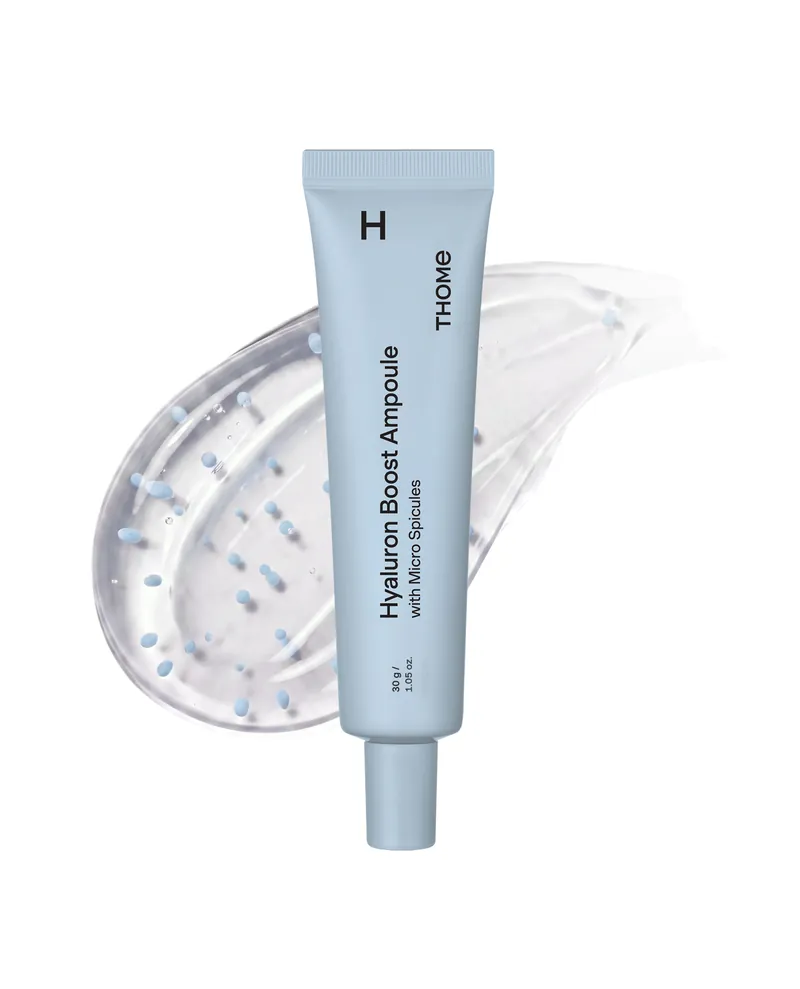
- THOME Boost Ampoules: $22.90 each (Hyaluron, PDRN, Exosome, Peptide and Niacinamide versions); the four-goal set is $368.60 (regular $490.60). THOME recommends them with its devices. THOME
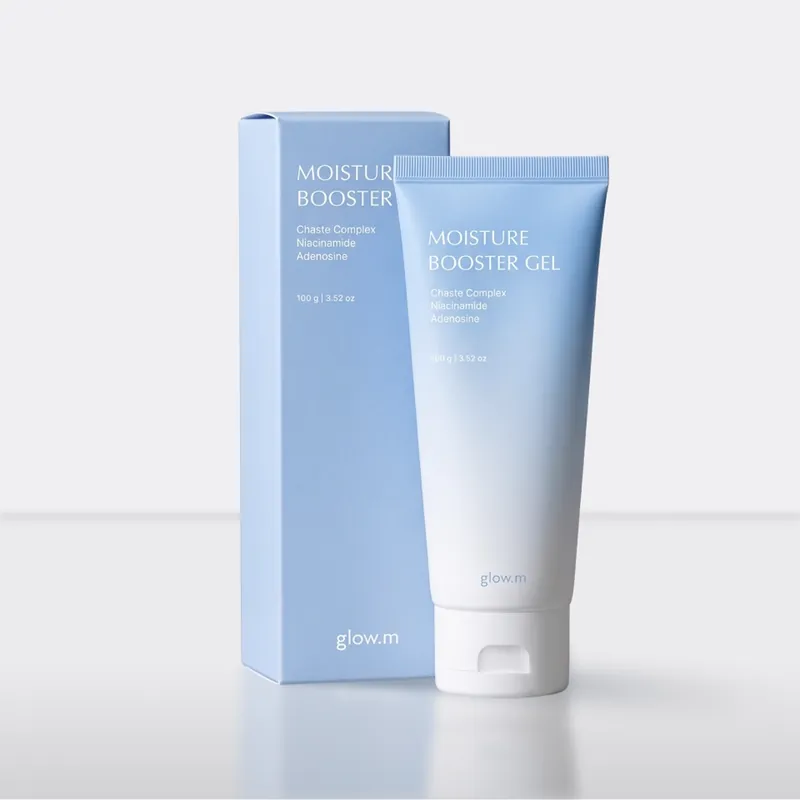
- glow.m Moisture Booster Gel (100 g): $18.99 sale ($30 regular); sold with glow.m devices. glow.m
- Plain water-based gels: fine for most non-focused ultrasound devices if the maker allows them. Check your manual.
Ultrasound is often sold on improved absorption, and ultrasound can increase skin permeability (Azagury et al., 2014). That’s a reason to choose a simple, gentle medium rather than a strong active. Learn more in what is at-home ultrasound skincare? or compare devices in the best at-home ultrasound devices.
LED masks: bare skin first
Omnilux recommends completing treatments on bare skin and generally advises against combining retinol with light therapy because of the risk of a reaction (Omnilux). Apply your serum and moisturizer after the session. CurrentBody sells hydrogel face masks ($54.95 for 5) and a Green Tea Serum ($60.99) as add-ons, but neither is needed for the light to work. See the best LED masks.
RF and multi-mode devices
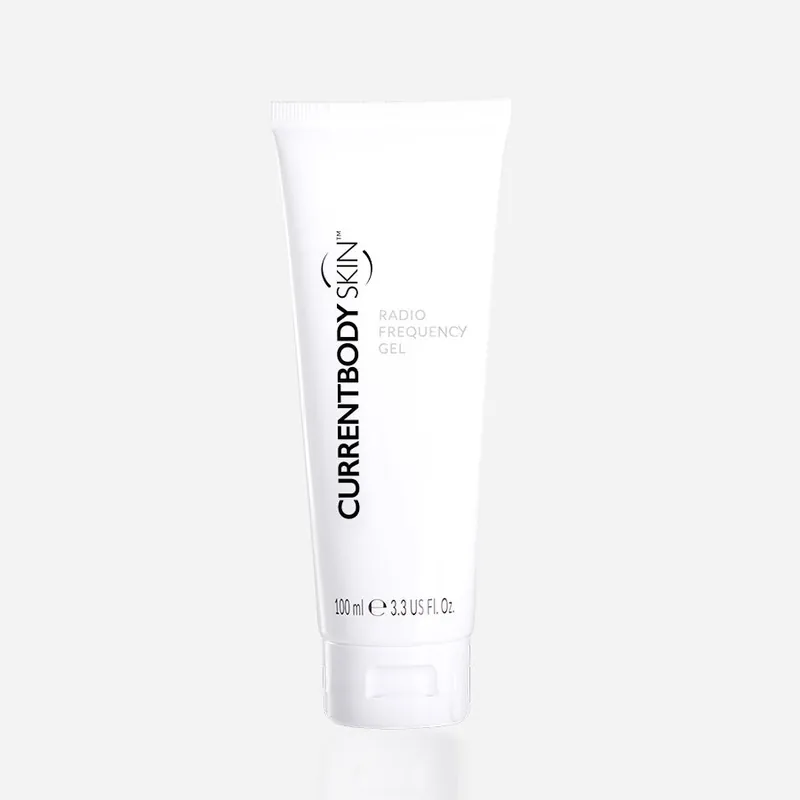
RF devices generally specify their own conductive gel, for example CurrentBody’s RF Conductive Gel ($39.99, 3 oz; showing as unavailable when we checked). Follow the manual: the gel is part of how energy is delivered safely. Medicube’s Booster Pro devices and RF Ultra Tune are designed to work over your regular skincare with no gel; Medicube says Air Shot mode should be used on dry skin.
What to look for (and avoid)
- Water-based. Oils and heavy balms can make glide uneven and are usually not what device makers specify.
- Simple humectants like glycerin, hyaluronic acid or aloe keep the layer slippery and hydrating.
- Fragrance-free if your skin is sensitive. The AAD advises people with rosacea to avoid alcohol, camphor, fragrance, glycolic and lactic acid, menthol, sodium lauryl sulfate and urea (AAD).
- Skip strong actives under the device unless your device maker or dermatologist says it’s fine.
- Enough of it. A thick, mask-like layer beats a thin smear.
Sensitive skin? See the best anti-aging devices for sensitive skin.
Frequently asked questions
Can I use aloe vera gel instead of a conductive gel?
Do I have to buy the brand’s own gel?
Can I use my vitamin C or retinol serum with a device?
How much gel should I use?
Do LED masks need a gel?
Sources
- NuFACE: Aqua Gel Activator
- ZIIP: Electric Complex Gel and other ZIIP gels
- FOREO: BEAR 2 manual (conductive serum requirement)
- Quadthera: FORHERTZ 3D Booster Mask Gel (our publisher, Dalmie LLC, retails Quadthera)
- Quadthera FAQ (any water-based conductive gel) (our publisher, Dalmie LLC, retails Quadthera)
- THOME: Boost Ampoules
- glow.m: Moisture Booster Gel
- CurrentBody: RF Conductive Gel, hydrogel masks and Green Tea Serum
- Omnilux: Contour Face FAQ (bare skin; retinol caution)
- Medicube US: Booster Pro X2
- Wirecutter: The Best Microcurrent Face-Tightening Products and Tools
- AAD: 7 rosacea skin care tips dermatologists recommend
- StatPearls: Ultrasound Physics and Instrumentation (NCBI Bookshelf)
- Azagury A, et al. Ultrasound mediated transdermal drug delivery. Adv Drug Deliv Rev. 2014